Clarifying the Roles in SMSF Compliance
In an SMSF, many trustees assume that the roles of accountants and auditors are almost similar. Additionally, there is a perception that a professional can easily handle both roles. However, the truth is quite the opposite. According to ATO, both these roles are completely different from each other, especially when one talks about independence. The work of both the auditor and the accountant is central to compliance and audit integrity.
So, this is where SMSF audit independence rules come into play. These rules are formulated to ensure that audits remain objective, unbiased, and free from influence. Independence is the main objective, as when it is compromised, the audit loses credibility, and the fund may face serious compliance consequences.
Hence, it is really important to understand the separation between accountants and auditors. That’s why we have curated this blog to help trustees avoid common mistakes, reduce audit risks, and stay aligned with ATO expectations.
What Accountants Do in an SMSF?
In managing SMSFs’ financial and compliance obligations, accountants play a vital role. They focus on preparing, recording, and advising related to accounting work. This involvement is considered essential for the day-to-day operation of the fund.
An SMSF accountant might have to prepare annual financial statements and member balances, and complete SMSF tax returns and regulatory reports. They sometimes also provide advice on contributions, pensions, and fund structure. In addition, they may also assist with asset purchases, rollovers, and compliance planning. Thus, accountants are deeply involved in the fund’s transactions and reporting.
SMSF audit independence rules prevent accountants from auditing SMSFs where they have prepared accounts or provided certain types of advice. Their role is just to support the fund; on the other hand, the auditor’s role is to review that support independently.
What SMSF Auditors Must Do
SMSF auditors have a very specific and regulated role. They are required to independently examine the fund’s financial statements and compliance with superannuation laws. This should be done without influence from trustees, accountants, or advisers.
Here are some things that are a must for an SMSF auditor:
- Review financial statements prepared by others
- Test transactions for compliance with SIS legislation
- Verify asset valuations and ownership
- Identify breaches and report serious issues to the ATO
- Remain objective and professionally sceptical
Under SMSF audit independence rules, auditors cannot audit a fund if they have prepared its accounts, made management decisions, or provided certain advisory services. Even indirect involvement, such as being part of the same firm or having a close business relationship, can threaten independence.
Auditors are not there to fix problems or give advice. Their responsibility is to assess, question, and report based on evidence. This separation protects both trustees and the integrity of the SMSF system.
SMSF Audit Independence Rules and Common Threats Explained
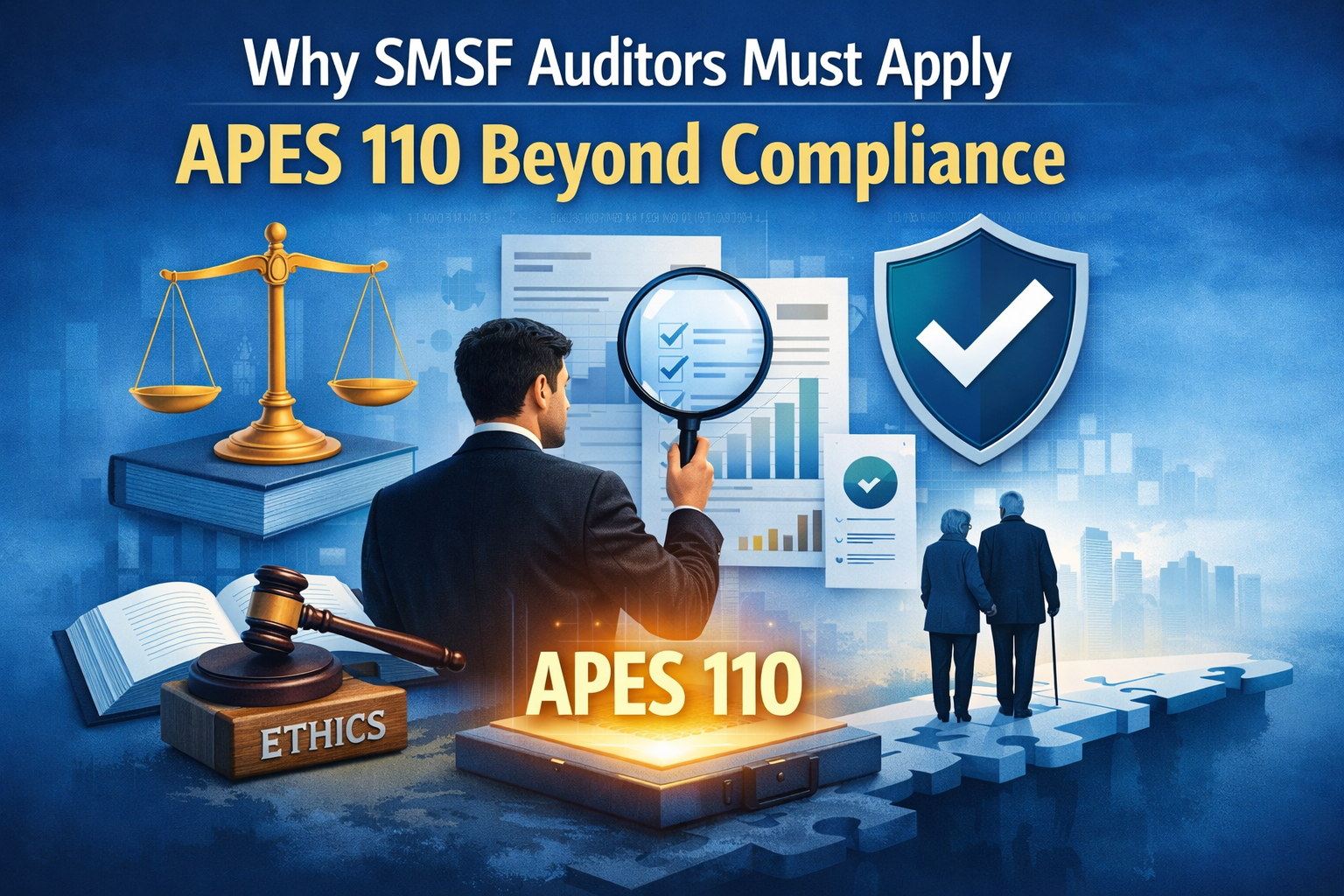
The ATO and APES 110 identify several threats that can undermine auditor independence. These threats are taken seriously and are a major focus during auditor registration reviews and ATO compliance checks.
One common threat is self-review, where an auditor is asked to audit work they, or their firm, have prepared. This is one of the clearest breaches of SMSF audit independence rules. Another issue is familiarity, which occurs when auditors become too close to trustees or accountants and stop questioning information critically.
There is also the advocacy threat, where an auditor appears to support or defend the trustee’s position, and the intimidation threat, where pressure is applied to influence audit outcomes. Even if no wrongdoing is intended, the perception of bias can be enough to breach independence requirements. Thus, to manage these risks, auditors must decline engagements that threaten independence, and trustees must engage truly independent audit providers.
Why SMSF Audit Independence Matters More Than Ever
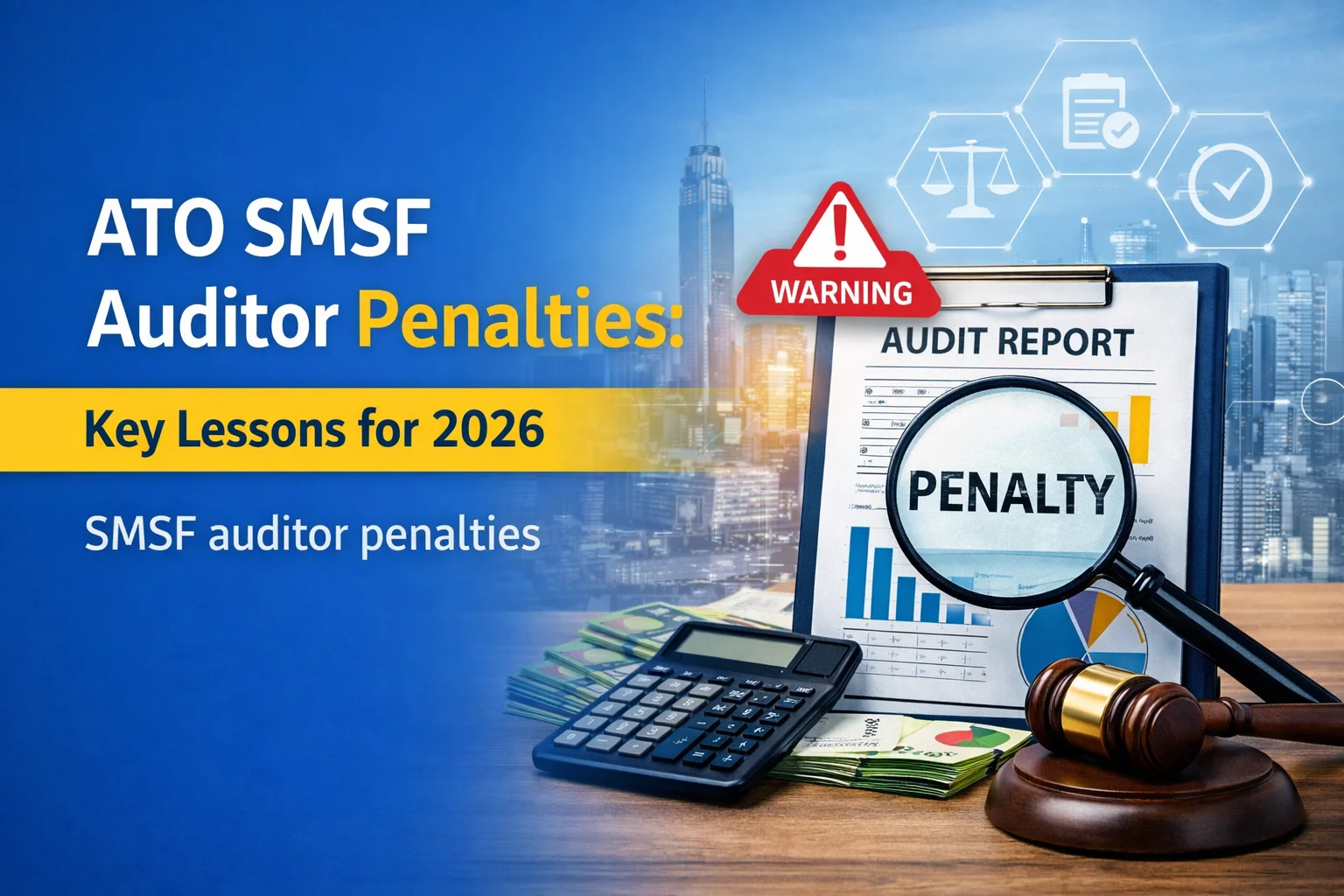
ATO scrutiny around SMSF audits has increased significantly in recent years. Auditors are now reviewed more frequently, and independence breaches can lead to penalties, deregistration, and audit reports being rejected.
For trustees, this means:
- Audit delays
- Additional costs
- ATO compliance action
- Increased scrutiny in future years
For accountants, failing to respect SMSF audit independence rules can damage professional relationships and client trust. Clear role separation benefits everyone involved.
Outsource Your Audits for True Independence
Maintaining independence is not just an auditor requirement; it is a trustee responsibility. The safest and most efficient way to meet SMSF audit independence rules is to engage a fully independent SMSF audit firm.
Outsourcing your audits removes conflict risks, ensures objectivity, and aligns with ATO and APES standards. Independent auditors bring fresh scrutiny, faster turnaround times, and confidence that your audit will stand up to regulatory review.
If you want audits completed with true independence, accuracy, and compliance confidence, partner with experienced SMSF auditors who focus solely on audits, so you don’t have to worry about crossing compliance lines.