Why Penalties Are Increasing
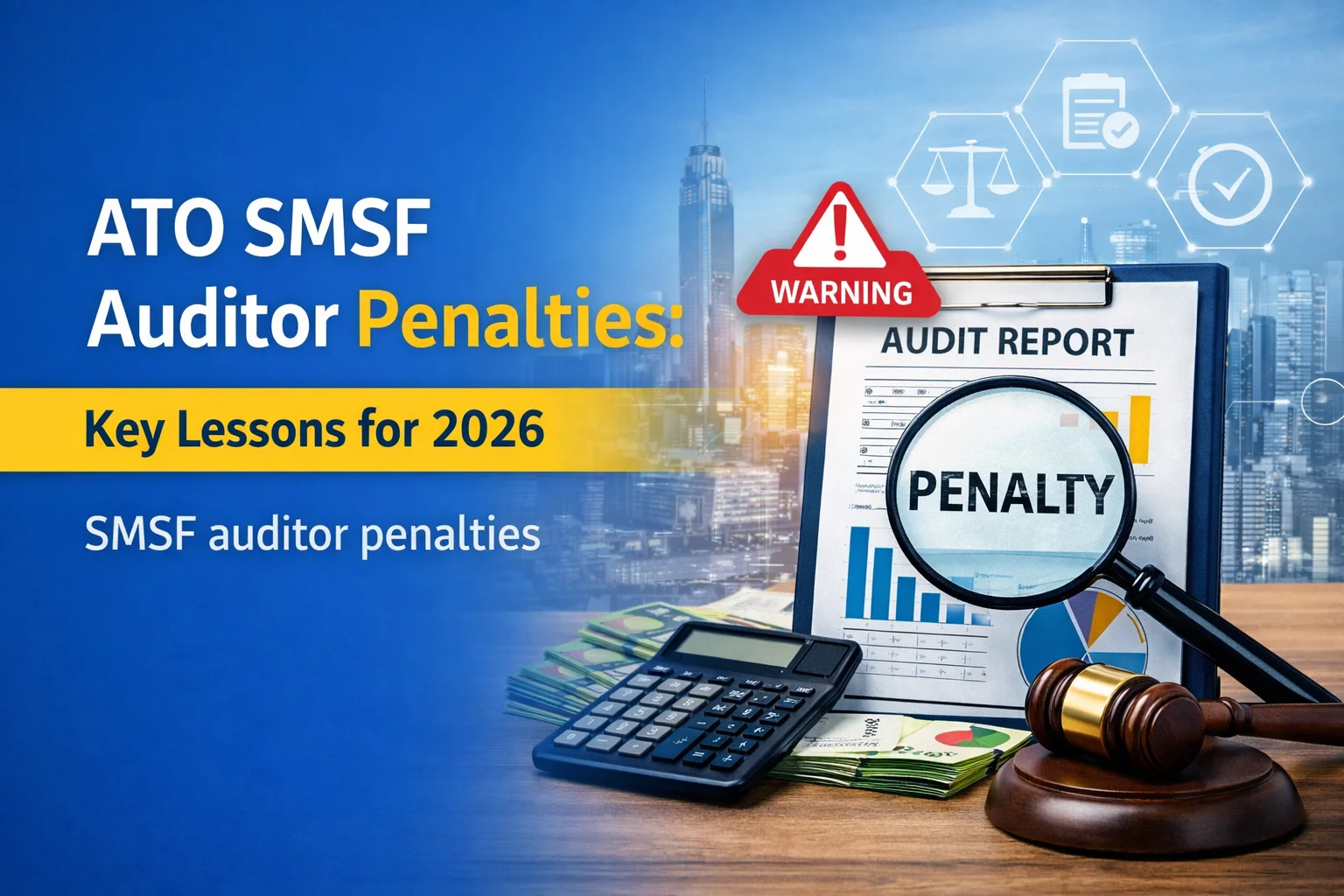
The Australian Taxation Office (ATO) has been stepping up its enforcement of SMSF compliance, with penalties becoming stricter each year. In 2026, auditors are under closer scrutiny, particularly when funds fail to meet reporting and regulatory obligations. The ATO’s focus is not just on errors but on ensuring that SMSF trustees and auditors actively maintain proper governance, documentation, and timely reporting.
Recent trends show that non-compliance can result in substantial penalties, and even minor oversights can attract attention. This is partly due to technological advancements in data matching, which allow the ATO to detect discrepancies faster. For SMSF auditors, understanding the most common pitfalls and knowing how to maintain compliance is essential to avoid penalties and uphold professional credibility.
What are the Examples of SMSF Audit Penalties
The ATO imposes penalties for a range of audit-related breaches. Some of the more common examples include:
Late or Incorrect Audit Reports – Auditors who fail to lodge reports on time or submit inaccurate audit findings may face administrative penalties. These can range from monetary fines to professional sanctions, depending on severity and frequency.
Non-Compliance with APES Standards – Auditors are required to comply with professional standards such as APES 205 and APES 210. Breaches, including insufficient documentation or failure to identify contraventions, can trigger penalties or formal investigations by regulatory bodies.
Failure to Identify Trustee Breaches – If an auditor does not detect or report trustee contraventions, such as excess contributions or in-house asset breaches, the ATO may impose penalties. These penalties often extend to both the fund and the auditor if negligence is involved.
Inadequate Audit Procedures – Audits must be thorough, with proper sampling, verification, and risk assessment. Inadequate or cursory procedures can result in audit deficiencies, leading to professional penalties or additional scrutiny in subsequent audits.
By recognising these examples, auditors can prioritise risk areas and ensure compliance before submission, reducing exposure to ATO SMSF auditor penalties.
Common Mistakes Leading to Penalties
Many penalties are avoidable, often arising from repeated mistakes that could be addressed with careful procedures. Some of the most frequent errors include:
| Mistake | Why It Leads to Penalties | How to Avoid |
|---|---|---|
| Late or Missing Documentation | Prevents auditors from verifying compliance | Maintain organised, up-to-date records throughout the year |
| Incomplete Trustee Records | Makes it difficult to confirm investment decisions | Ensure minutes, declarations, and pension documents are signed and current |
| Misclassification of Investments | Can result in contraventions of in-house asset rules | Cross-check investment ownership and fund compliance with strategy |
| Failure to Verify Contributions | Leads to errors in reporting and exceeding caps | Compare contribution records against ATO reporting and member balances |
| Insufficient Evidence of Compliance | Audits lack proof of adherence to regulatory requirements | Keep invoices, agreements, and receipts properly filed and accessible |
Avoiding these mistakes requires proactive planning, ongoing monitoring, and clear communication between auditors and trustees. Focusing on these areas not only mitigates penalties but also strengthens the overall governance of the SMSF.
How to Stay Compliant
Staying compliant and avoiding ATO SMSF auditor penalties requires a systematic approach that combines preparation, education, and professional diligence.
- Maintain Accurate and Timely Records – Proper record-keeping is essential. Timely updates help auditors perform accurate assessments and demonstrate adherence to regulations.
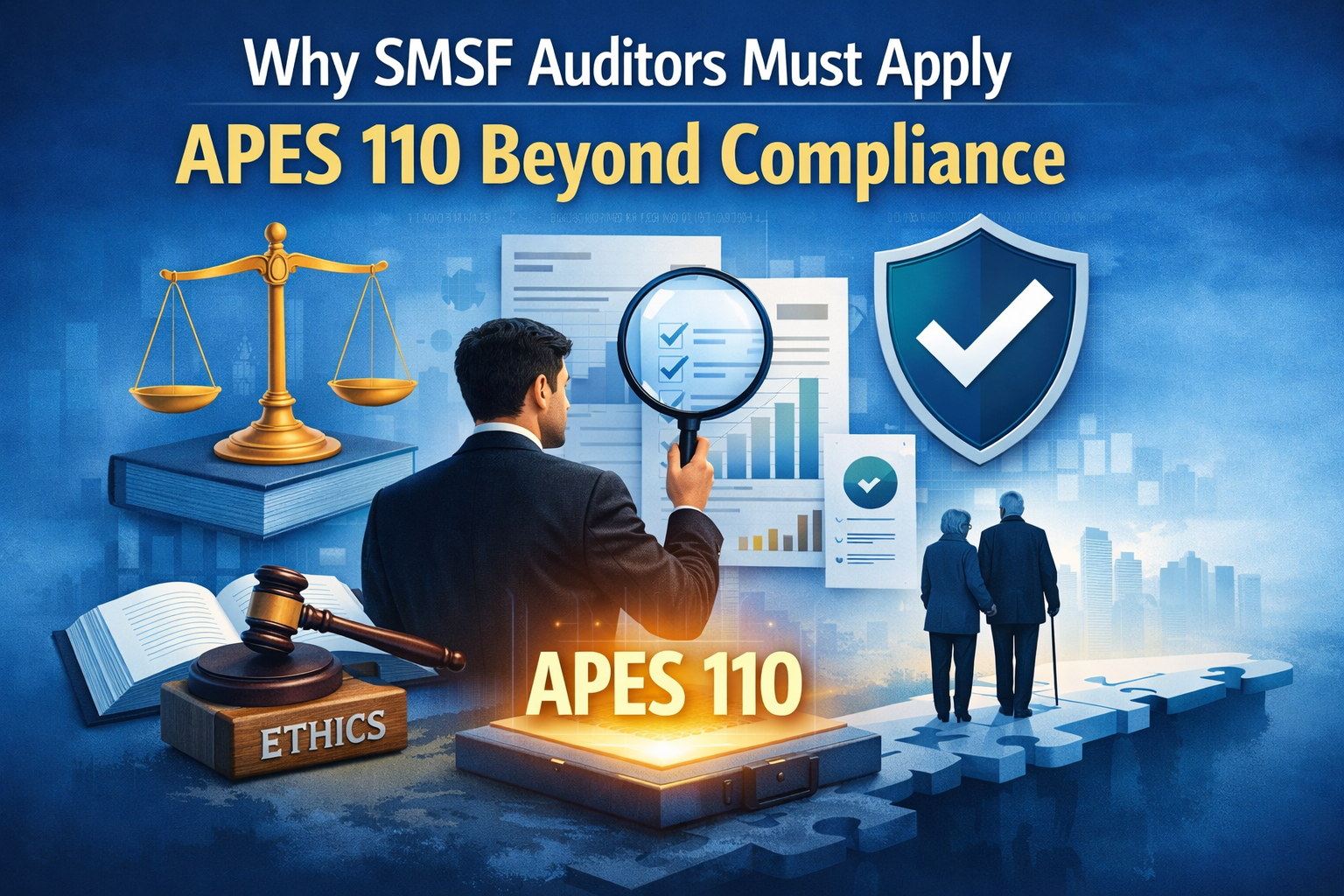
- Follow Professional Standards and Guidelines – Adherence to APES 205, APES 210, and ATO audit guidelines ensures that auditors follow accepted procedures and reporting requirements. Regular training and awareness of updates in legislation can prevent procedural errors.
- Perform Pre-Audit Reviews – Before submitting audit files, conduct an internal review to check for discrepancies, missing approvals, or incomplete documentation. This proactive step helps catch issues before the ATO detects them, reducing the likelihood of penalties.
- Communicate Clearly with Trustees – Trustee cooperation is vital. Discussing investment strategies, contribution limits, and compliance obligations ensures that decisions are well-documented and aligned with regulatory expectations. Clear communication reduces the risk of contraventions and protects both the fund and the auditor.
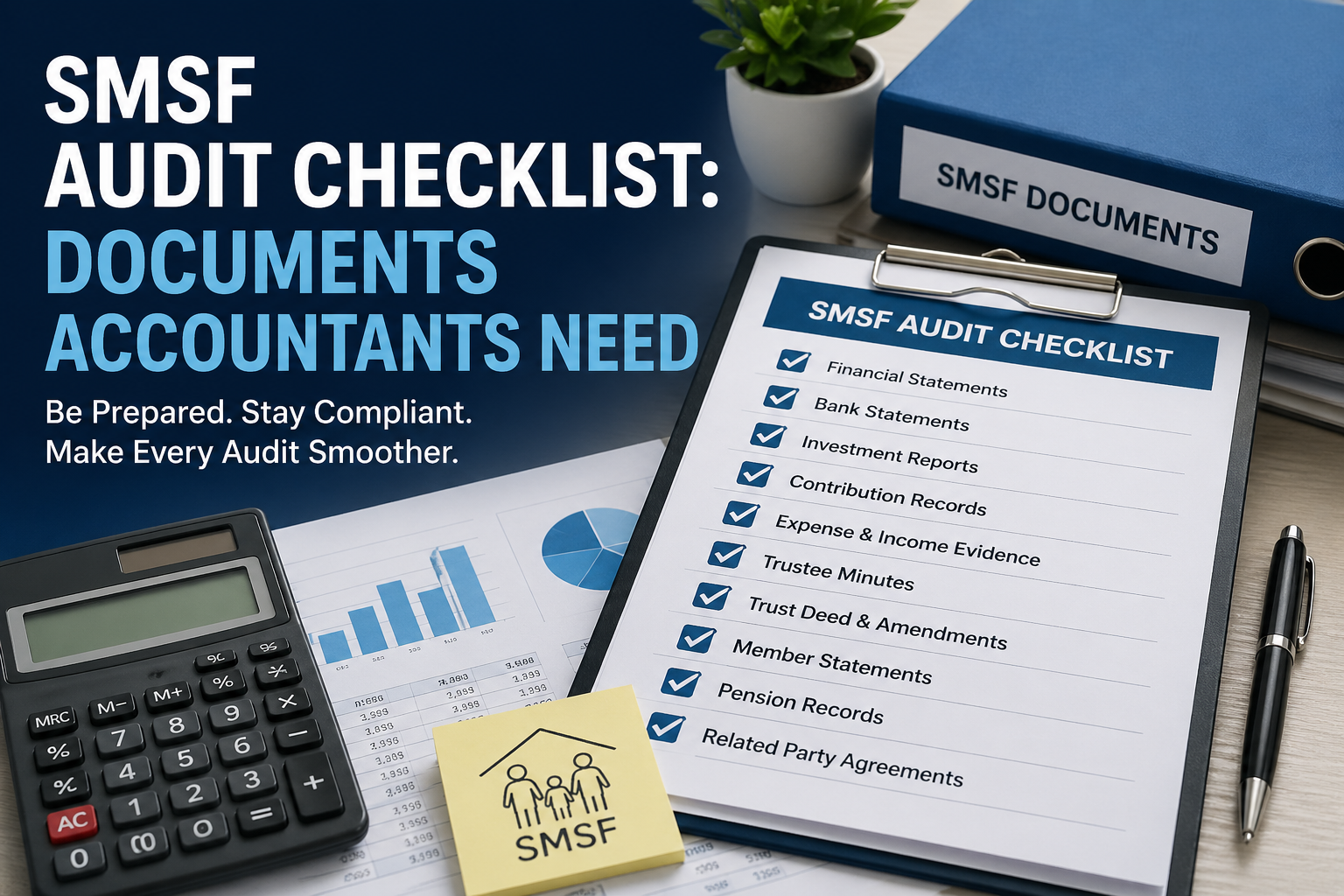
- Use Checklists and Audit Tools – Structured audit checklists and digital tools allow auditors to track compliance systematically. They help ensure all documents are collected, verified, and organised efficiently, minimising errors that could attract penalties.
Work with an Experienced Audit Firm
Navigating ATO SMSF auditor penalties requires expertise, attention to detail, and practical experience. Partnering with a seasoned audit firm ensures that your SMSF audits are conducted professionally and in line with the latest regulations.
Frequently Asked Questions
Question 1. What are the most common ATO SMSF auditor penalties?
Answer: The ATO typically imposes penalties for late or inaccurate audit reports, failure to detect trustee contraventions, and breaches of professional standards. Auditors may face fines, additional scrutiny, or professional sanctions if documentation or procedures are incomplete.
Question 2. Can minor errors trigger penalties?
Answer: Yes, even small mistakes, such as missing trustee signatures or incomplete records, can lead to penalties if they affect compliance verification. The ATO focuses on consistent, accurate reporting rather than just major financial errors.
Question 3. How can auditors prevent penalties?
Answer: Preventing penalties involves maintaining up-to-date financial and trustee records, adhering strictly to APES standards, performing pre-audit checks, and using structured checklists. Clear communication with trustees is also essential to ensure all decisions are properly documented.
Question 4. Are trustees affected by auditor penalties?
Answer: While auditors are primarily accountable for their professional conduct, trustees may also face indirect consequences if breaches are not detected. Penalties or compliance notices can affect fund governance, so collaboration between trustees and auditors is crucial.