Why Strong Documentation Safeguards SMSF Audits
In SMSF auditing, documentation plays a vital role and is considered more than just supporting paperwork. In simple terms, it can be seen as the first line of defense against independence threats, errors, and regulatory risks. APES 110, the Code of Ethics for Professional Accountants, places a strong emphasis on proper record-keeping, assessment notes, and audit evidence to demonstrate ethical decision-making.
According to them, good documentation helps auditors demonstrate that each judgment is backed by evidence. The independence has been assessed and safeguarded, along with evaluating the ethical threats. Lastly, it also describes that the audit conclusions are transparent and defensible. Thus, it can be said that if it is not documented, then it is not done.
Understanding APES 110 Documentation Expectations
APES 110 has made it very clear that for ethical compliance, SMSF audits must be visible, traceable, and well-documented. However, it is not enough; auditors should make the right ethical decision by providing clear documentation that outlines how threats were identified, assessed, and addressed.
In the 2024-25 SMSF auditor compliance program, the ATO has reviewed more than 200 auditors, referring 41 to ASIC for further action. It has been reported that poor or missing documentation was a major issue. Many auditors have put their registration at risk by failing to properly document independence assessments and ethical threat evaluations.
Here are some of the necessary things APES 110 requires for detailed documentation:
- Threats to independence or integrity identified during the audit
- Safeguards applied, or the reasoning behind why none were needed
- Professional judgements are made when assessing ethical concerns
- Decisions to accept or continue an engagement, especially where risks existed
This documentation must be clear, dated, and comprehensive enough for another auditor or a regulator to understand your ethical decision-making process. Keep in mind that strong documentation not only supports compliance but also protects your audit practice and ensures you can confidently withstand scrutiny from the ATO or ASIC.
Real-World SMSF Audit Examples: How APES 110 Documentation Works
Every day, some SMSF audit situations arise that may trigger independence threats, thereby making proper APES 110 documentation essential to justify your decisions. Clear notes help protect you during regulatory reviews. For a clear picture, here is a table that describes how this works in practice:
| Scenario | Ethical Threat | Required APES 110 Documentation |
|---|---|---|
| Auditor receives most SMSF work from one admin firm | Self-interest threat | Note percentage work, risk evaluation, and independence assessment |
| An auditor performs both accounting and auditing for the same fund | Self-review threat | Document conflict, decline engagement, or apply safeguards |
| Close personal relationship with the trustee | Familiarity threat | Declare relationship, evaluate risk, document disengagement if needed |
| Pressure to complete an audit quickly | Intimidation threat | Record source of pressure, response, and mitigation actions |
Thus, the above examples demonstrate why auditors must maintain written, reviewable evidence that they have followed APES 110 ethical requirements.
Practical Tips for Accountants to Maintain APES 110-Compliant Documentation
Maintaining ethical compliance is far easier when documentation becomes part of your everyday workflow. Before proceeding with the tips, note that consistency is more important than length, and clear notes are more effective than lengthy, unstructured files.
Here, SMSF Audits Pty Ltd has curated some of the essential documentation tips:
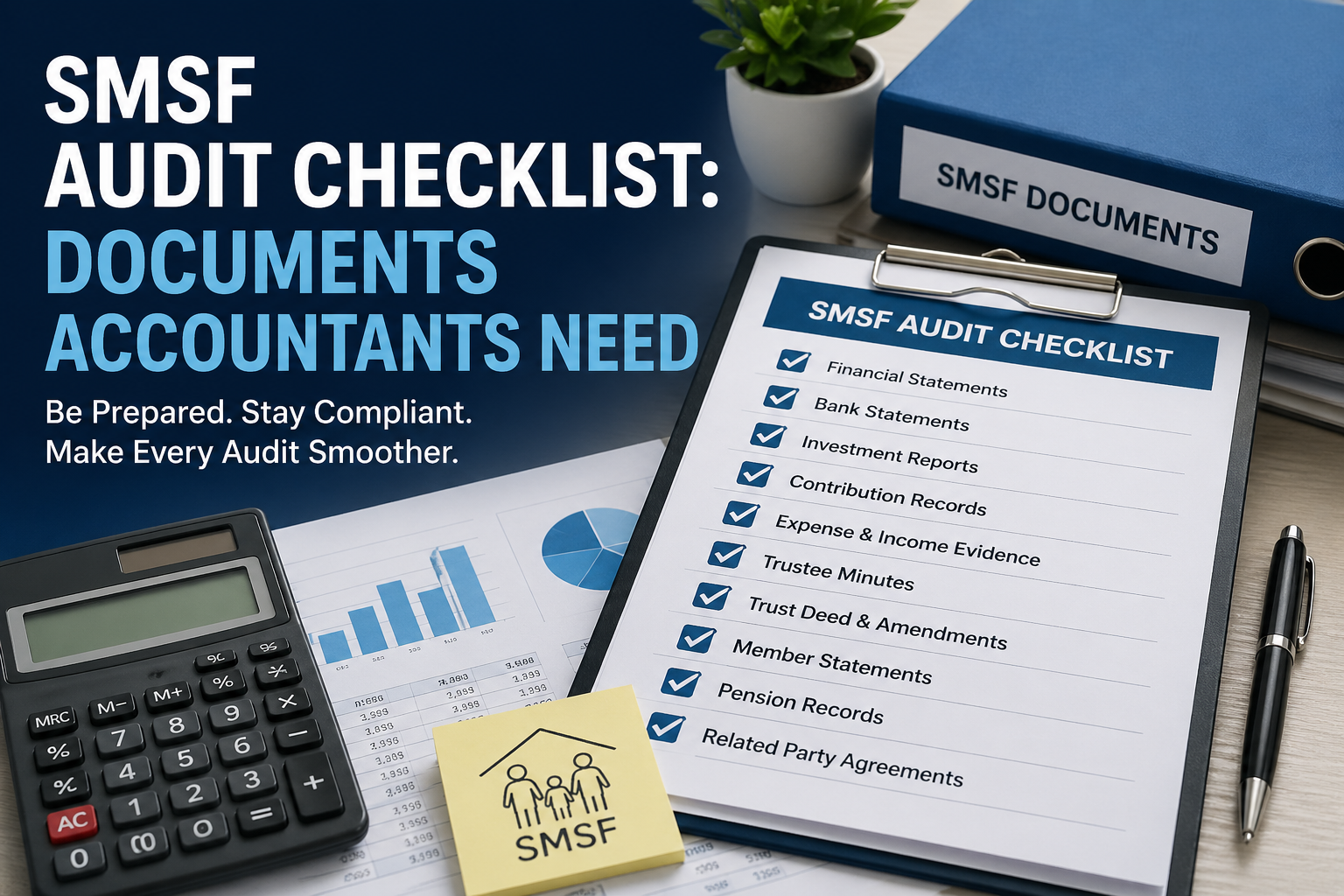
- Create a standard independence checklist for each SMSF audit
- Record all ethical threat assessments at the planning stage
- Use templates for documenting conflicts, safeguards, and engagement decisions
- Keep email trails that show independence declarations and confirmations
- Document why you accepted or declined each client
- Retain SMSF working papers for required retention periods
Thus, by following these small habits, you can ensure your audit file always reflects APES 110 compliance.
Stay Ethical, Stay Compliant
At last, we can conclude that proper documentation doesn’t just satisfy APES 110; it protects you, your SMSF audit practice, and your professional reputation. Thus, to maintain transparent, ethical, and ATO-ready audits, ensure your documentation practices consistently meet APES 110 standards.
So, do you also want help ensuring your SMSF audits stay compliant from start to finish? If yes, contact our SMSF audit experts today and safeguard your practice with ethical and accurate compliance.
Frequently Asked Questions
Question 1. What happens if an auditor doesn’t document their ethical assessments?
Answer: Missing documentation can lead to compliance breaches. According to ATO, they have flagged poor documentation as a major issue.
Question 2. Which independence threats should SMSF auditors document?
Answer: They should target common threats, including self-interest, self-review, familiarity, advocacy, and intimidation. It can be said that basically any situation that could influence your judgement should be documented.
Question 3. Do I need to document safeguards even if the threat seems minor?
Answer: Yes. APES 110 requires recording both the threat and your reasoning, even if no additional safeguards were applied.
Question 4. How does APES 110 help during ATO or ASIC reviews?
Answer: Good documentation creates an ethical audit trail that backs your decisions and protects your registration during regulatory checks.
Question 5. Why is documentation so important under APES 110?
Answer: Documentation proves how you identified and handled independence threats. It shows regulators that your ethical decisions were deliberate, not assumed.