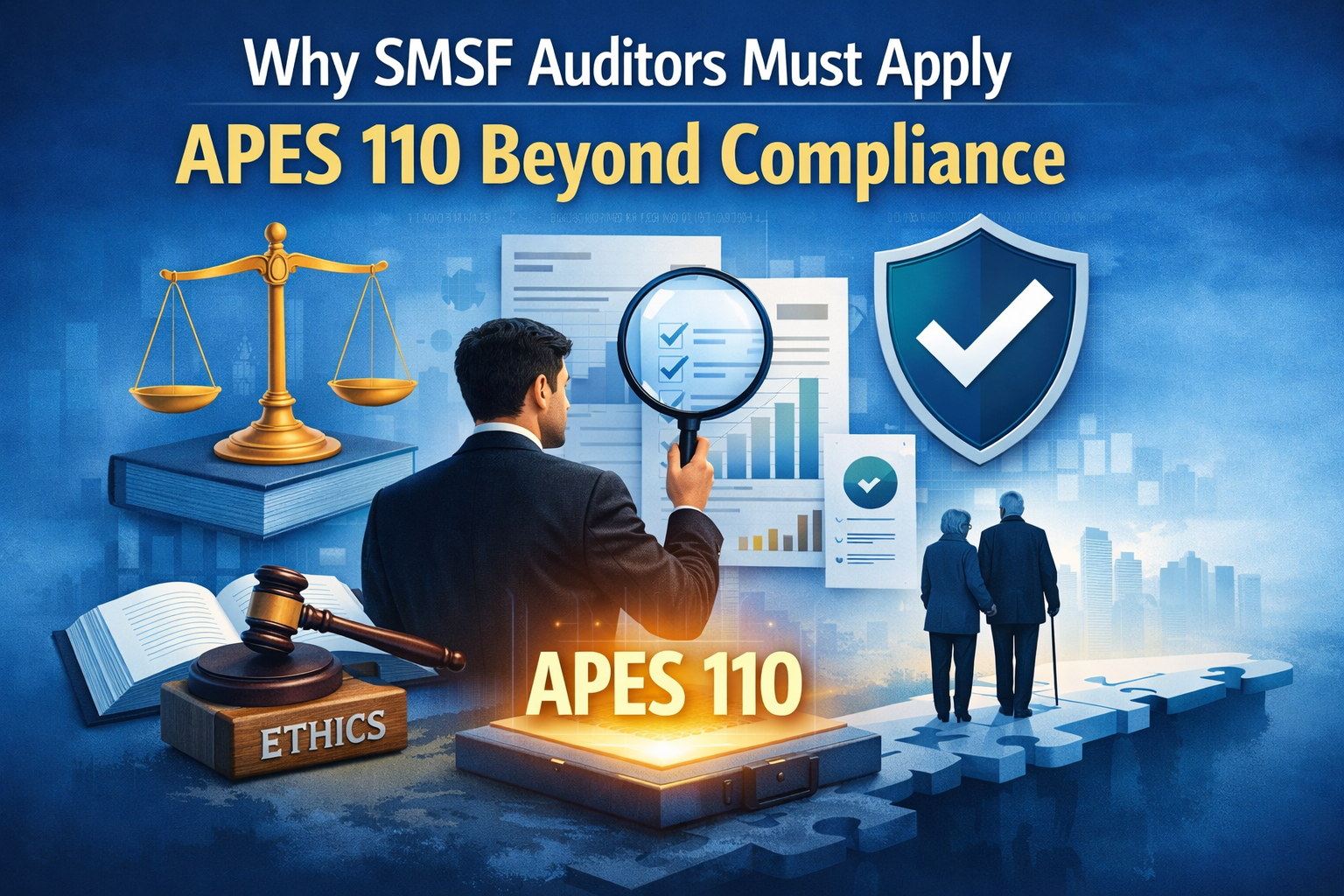
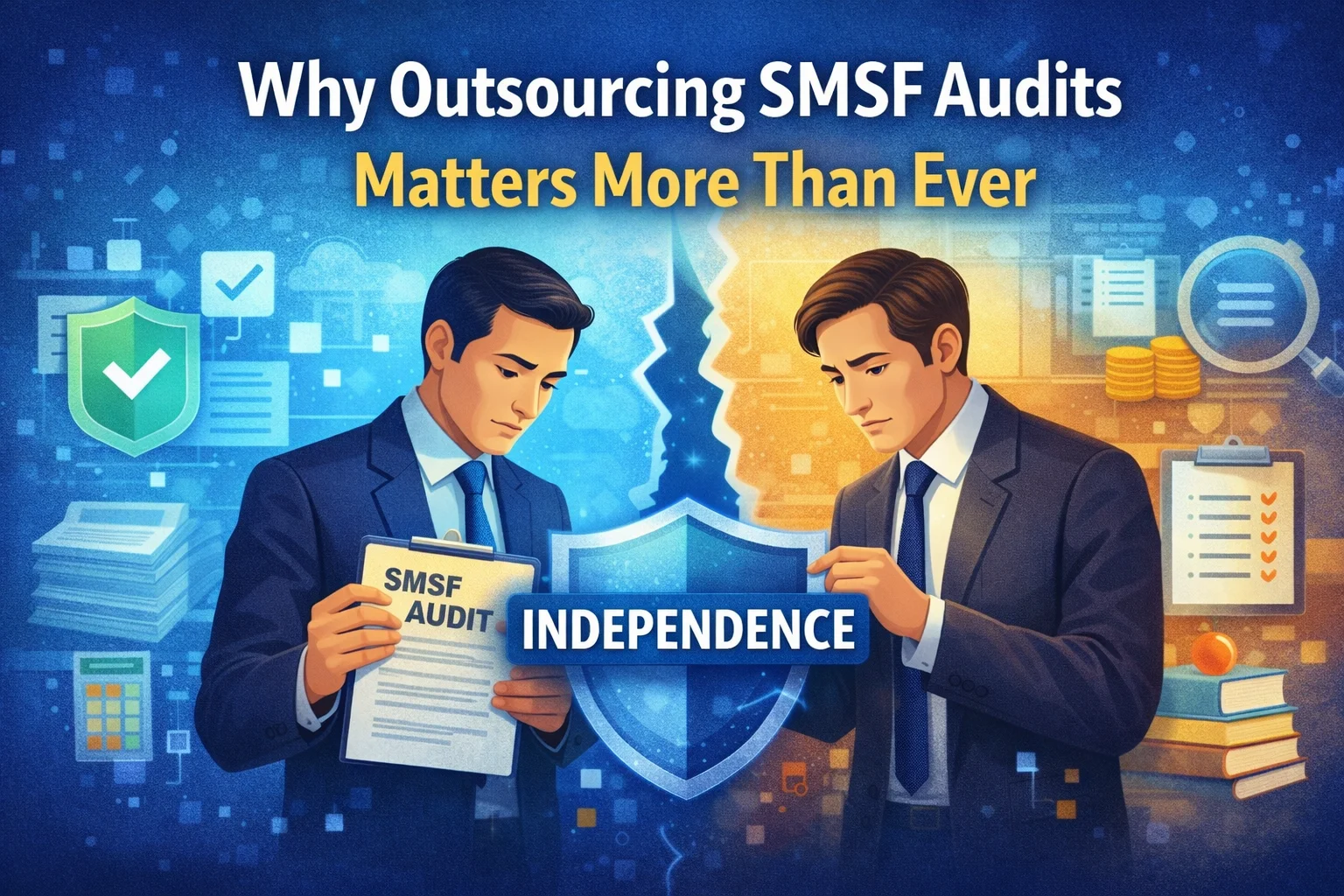
In an SMSF audit, both ethical conduct and technical compliance play a vital role. For this, trustees depend on the auditors, who not only have to stay compliant but also do a fair, transparent, and unbiased reporting. So, this is where the APES 110 Code of Ethics for Professional Accountants becomes the backbone of audit quality. They outline five core ethical principles that every SMSF auditor must follow. They are Integrity, Objectivity, Professional Competence and Due Care, Confidentiality, and Professional Behaviour.
Well, you might be wondering, what is the role of these principles? They come into play to ensure that auditors are maintaining independence, upholding public trust, and delivering work that genuinely safeguards SMSF members’ retirement savings. Therefore, understanding these principles is essential for trustees, auditors, and anyone involved in the administration of an SMSF.
What are the Five Ethical Principles Under APES 110?
APES 110 outlines five core ethical principles that shape the quality and integrity of every SMSF audit. By following these ethical standards, auditors protect trustees, uphold public confidence, and deliver reliable audit outcomes that meet professional and regulatory expectations.
Integrity
Integrity has been considered the foundation of SMSF audit ethics. It requires auditors to be honest, transparent, and straightforward in all their professional dealings. For SMSF audits, this principle means presenting audit findings truthfully, even when the results may be unfavourable for the trustees.
This also means not overlooking inconsistencies, questionable transactions, or potential breaches. The auditor must exercise professional skepticism and thoroughly investigate unusual activity. This protects the SMSF, the members, and the broader superannuation system.
Objectivity
The primary role of this principle is to ensure that the auditor’s judgment is not influenced by personal relationships, financial interests, or external pressure. Independence of both mind and appearance is essential for SMSF audits, because even the perception of bias can undermine the credibility of the audit opinion.
However, threats to objectivity may arise if the auditor has prior involvement in preparing the SMSF’s accounts, a close connection with the trustees, or any financial interest in the fund’s investments. To maintain objectivity, auditors must identify conflicts early, apply safeguards, or decline the engagement if independence cannot be maintained.
Professional Competence and Due Care
Professional competence means SMSF auditors must maintain the technical knowledge, regulatory understanding, and practical skills required to perform high-quality audits. With SMSFs involving complex areas such as property investments, related-party transactions, pensions, and LRBA structures, auditors must stay updated with current laws, standards, and ATO requirements.
Due care requires auditors to carry out their work diligently, planning effectively, obtaining sufficient evidence, documenting conclusions, and applying professional scepticism throughout. This ensures nothing material is overlooked and the audit remains compliant and reliable.
| Area | Role in SMSF Audit |
|---|---|
| Technical Knowledge | Up-to-date understanding of SMSF laws, audit standards, and ATO guidelines |
| Audit Quality | Thorough planning, risk assessment, and clear documentation |
| Professional Judgment | Identifying red flags and making objective decisions |
| Ongoing Learning | CPD, training, and staying updated with SMSF changes |
Together, competence and due care ensure strong audit quality and protect trustees from compliance issues.
Confidentiality
SMSF auditors access highly sensitive information, including member balances, investment strategies, related-party dealings, and personal identifiers. Confidentiality requires auditors to protect this information from misuse, unauthorized sharing, and improper disclosure.
The obligation continues even after the engagement ends. Information can only be shared when legally required or with explicit consent from the trustees. Strong confidentiality practices build trust and professionalism in the audit process.
Professional Behaviour
Professional behaviour requires auditors to comply with laws, regulations, and professional standards – and to act in a manner that enhances trust in the audit profession. This includes avoiding misleading claims, respecting the boundaries of independence, and delivering services that align with public interest.
Professional behaviour also involves communicating clearly, addressing compliance issues responsibly, and maintaining ethical conduct even when under pressure from clients or deadlines. When auditors behave professionally, they protect not just the SMSF but the integrity of the audit industry as a whole.
Partner With Ethical SMSF Auditors
Ethical conduct is not an optional extra in SMSF audits; it is the foundation of trust, compliance, and audit quality. Auditors who follow APES 110 ensure their work is independent, objective, and reliable.
When you partner with auditors who uphold these principles, you safeguard your SMSF from compliance risks and ensure that audit outcomes are fair, transparent, and aligned with your responsibilities as a trustee.
If you want SMSF audits performed with integrity, independence, and total professionalism, choose auditors who consistently apply the APES 110 framework and put ethical behaviour at the heart of their work.
Frequently Asked Questions
Question 1. Why are ethical principles important in SMSF audits?
Answer: They ensure the audit is independent, objective, and reliable. In addition, they can also protect from compliance risks and support the integrity of the SMSF sector.
Question 2. What happens if an SMSF auditor breaches APES 110?
Answer: Breaches can lead to penalties, regulatory action, loss of registration, or invalid audit opinions, impacting both the auditor and the fund.
Question 3. How does APES 110 help improve audit quality?
Answer: It provides a structured ethical framework that guides auditor behaviour, decision-making, and professional judgment, resulting in trustworthy audit outcomes.
Question 4. What is the most critical principle in SMSF audits?
Answer: All five principles are essential, but independence is often considered the foundation of a credible audit.