We have curated this blog to clarify the fundamental differences between APES 110 and ATO requirements, as well as how they interact in the audit world. With over 646,000 SMSFs and more than 1.19 million members managing around $1.01 trillion in assets in Australia alone, it is clear that staying compliant and ethical is not optional; it is a necessity.
The APES 110 Code of Ethics for Professional Accountants sets the ethical expectations for accountants. On the other hand, the Australian Taxation Office (ATO) rules define the audit and compliance requirements for SMSFs. By knowing both, you’re not just doing things legally, you are doing them right.
APES 110 Framework Overview
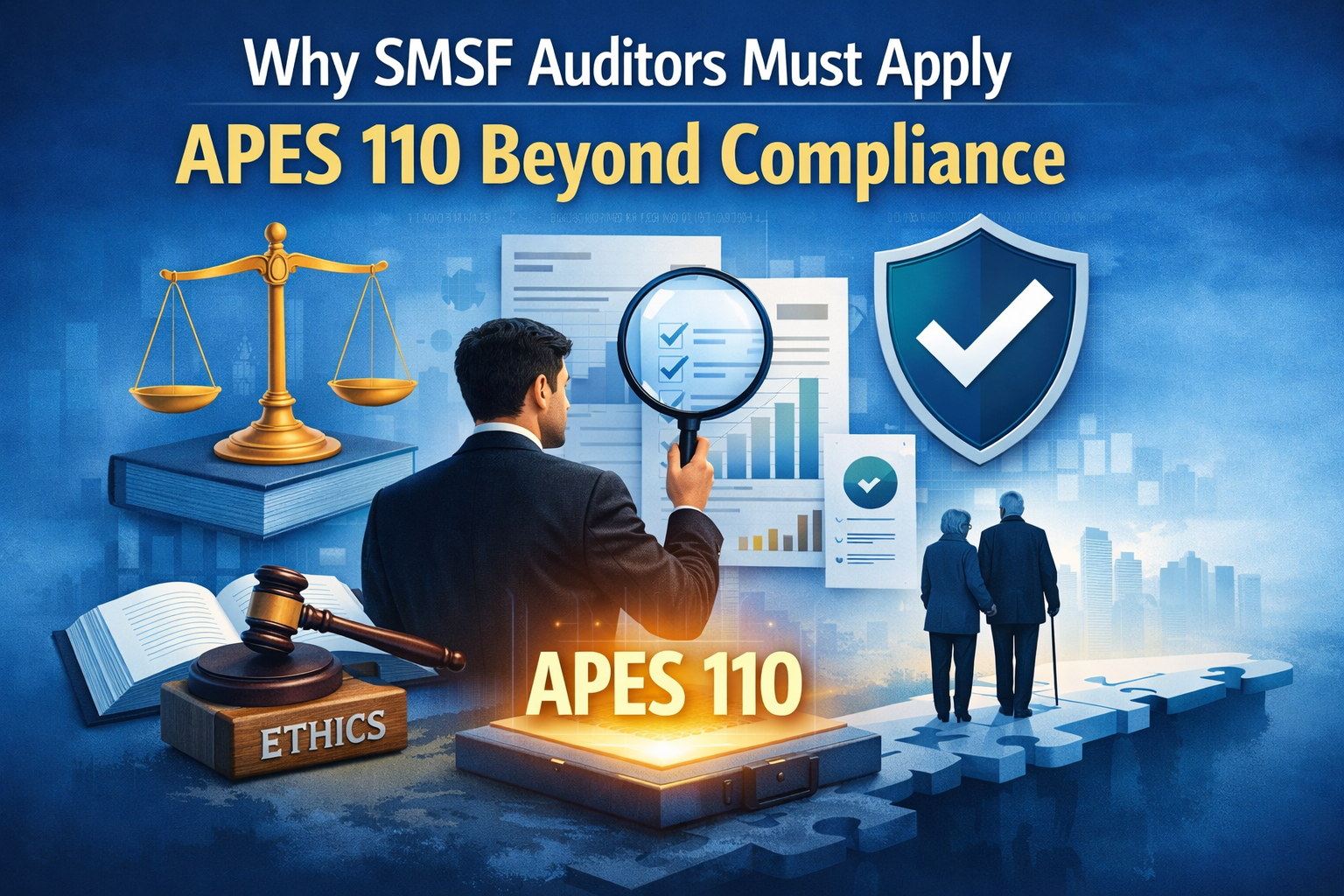
APES 110 is also known as the Code of Ethics for Professional Accountants, and is issued by the Accounting Professional & Ethical Standards Board (APESB). Its main aim is to provide clear principles that guide how auditors should behave and make decisions.
Here, we discuss the five key values that fall under APES 110:
- Integrity – Being honest and transparent is essential in every professional activity.
- Objectivity – This is to avoid bias or personal interest while performing audits.
- Professional competence – It is essential to stay updated with laws and perform duties carefully.
- Confidentiality – Respecting client privacy and not disclosing information unnecessarily.
- Professional behavior – Following laws, avoiding misconduct, and maintaining the profession’s reputation.
In short, APES 110 focuses on how auditors should act rather than what steps they must take. It’s about building trust, fairness, and professionalism in every SMSF audit engagement.
ATO Audit Compliance Requirements
The Australian Taxation Office (ATO) has set some clear and essential rules that every SMSF must follow to ensure the fund stays compliant with superannuation laws. Understanding this is really important, as maintaining ethics is not what is expected, but rather meeting specific legal and procedural standards set by the ATO.
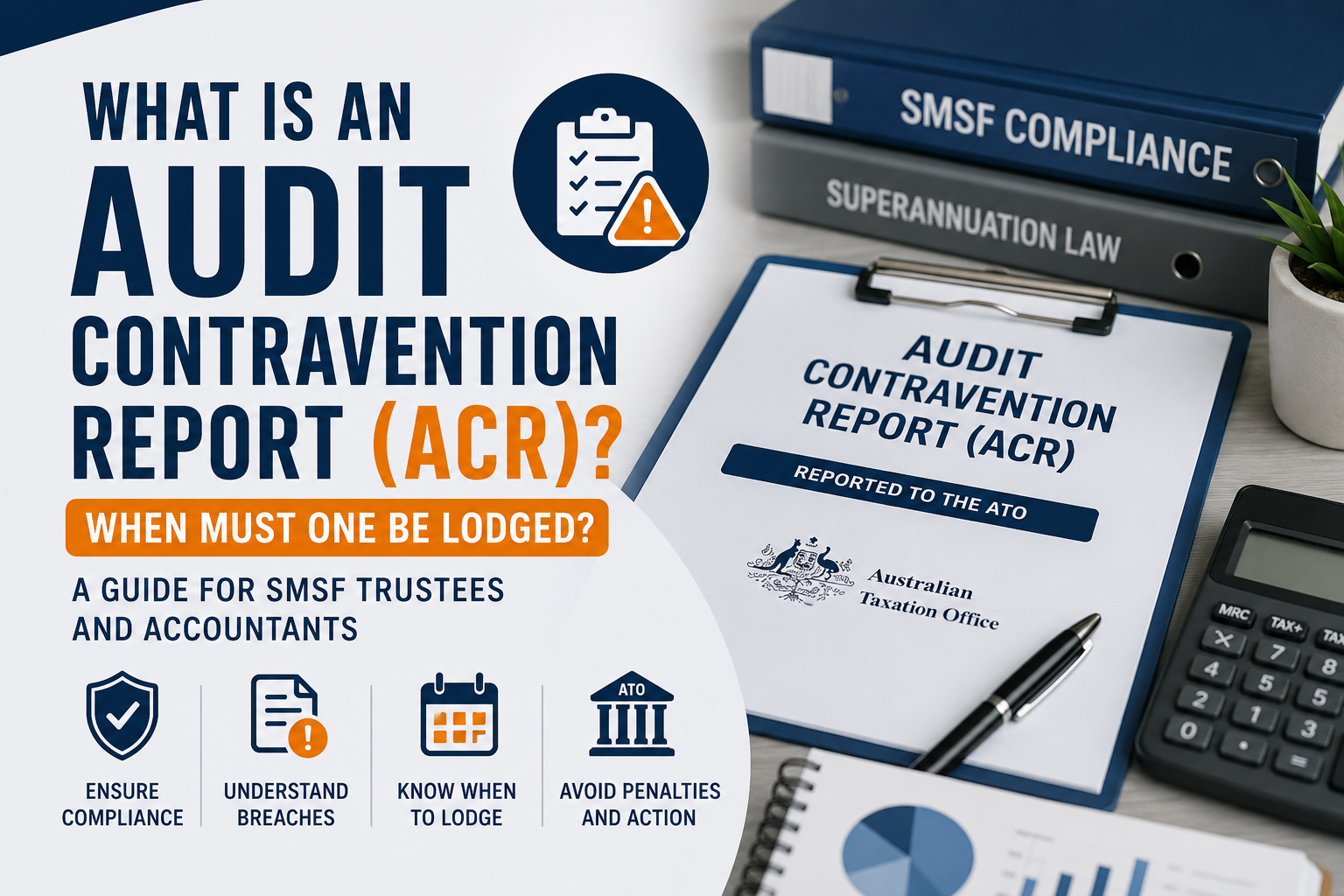
It has been made clear that every SMSF should be audited by a registered and independent auditor. Additionally, they should be those who can review the fund’s financial statements to confirm that they meet superannuation regulations. All investments and compliance with the fund’s trust deed and ATO guidelines are to be handled by the auditor. If any issues or breaches are identified, they must be reported through qualification of the audit report, and if required, by lodging a Contravention Report (ACR) to the ATO.
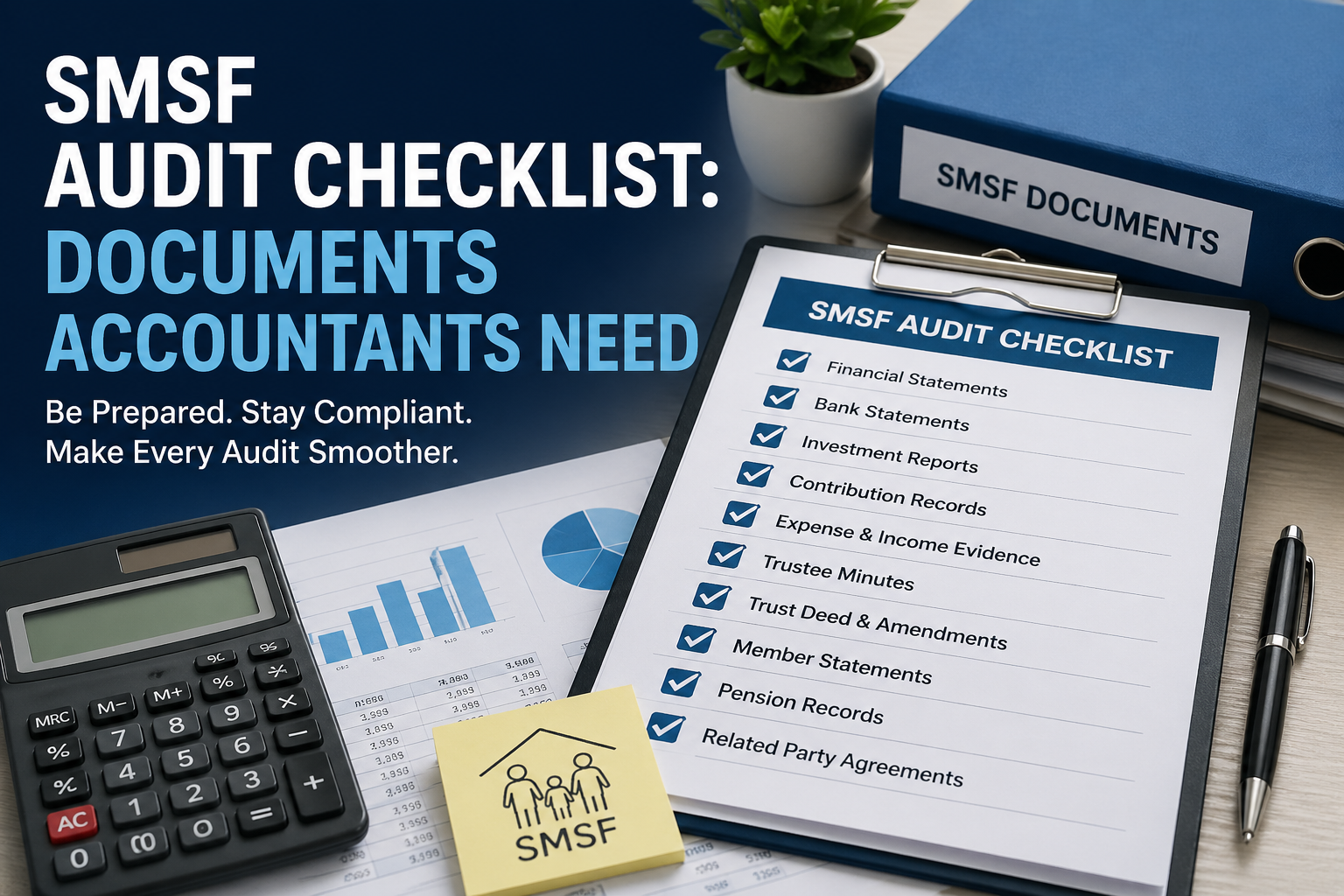
Maintaining audit records and workpapers for at least seven years to support transparency and accountability is also the duty of auditors. In simple terms, ATO requirements focus on ensuring that an SMSF operates within legal boundaries. APES 110 ensures that the auditor adheres to strong ethical principles throughout the entire audit process.
Alignment and Differences
Although APES 110 and ATO rules serve different purposes, they often work hand in hand. Both are designed to ensure that SMSF audits are conducted properly, fairly, and with complete transparency. Below are some of the similarities that both of these hold:
- Independence and objectivity from auditors.
- Promote accuracy, honesty, and accountability in financial reporting.
- Protect the interests of fund members and the integrity of the SMSF sector.
Now, let’s discuss the difference between the APES 110 and ATO rules:
- APES 110 focuses on the ethical mindset, teaching you how to think and act as auditors.
- ATO requirements focus on the legal framework, what must be done to meet compliance standards.
At the very least, when these two elements are combined, they create a strong foundation for ethical and compliant auditing, where rules and integrity work together to protect both auditors and trustees.
Stay Compliant with Expert Auditors
Thus, it can be concluded that following both APES 110 and ATO requirements is not just about ticking boxes; it’s about maintaining trust and avoiding penalties. Therefore, if you are unsure whether your SMSF audit meets both ethical and regulatory standards, it’s best to seek professional help.
Our team of registered SMSF auditors ensures that every audit is handled with the utmost care for compliance and ethics. Contact us at 1300 707 325 or email [email protected] to stay confident, compliant, and fully aligned with both APES 110 and ATO standards.
Frequently Asked Questions
Q1. What is the main difference between APES 110 and ATO requirements?
A: APES 110 is all about ethics, that is, how auditors should behave, stay honest, and remain independent. On the other hand, when we discuss ATO requirements, it refers to the rules and laws that every SMSF auditor must follow to ensure the fund is compliant with the relevant regulations.
Q2. What happens if my SMSF doesn’t meet ATO requirements?
A: Well, in that case, your auditor might have to qualify the audit report, and in case needed to report to the ATO through ACR.
Q3. Is APES 110 only for SMSF auditors?
A: No, it is not fully true. APES 110 applies to all professional accountants, but it plays a significant role in SMSF audits, as ethics and independence are crucial for audit quality.
Q4. How does APES 110 affect my SMSF audit?
A: APES 110 makes sure your auditor acts fairly, professionally, and independently. It protects you as a trustee because it ensures the audit opinion you receive is unbiased and ethical.
Q5. Does the ATO check if auditors follow APES 110?
A: Yes, the ATO can review audit files, and if they find signs of bias, poor independence, or lack of professionalism, they can take disciplinary action or refer the matter to ASIC.